Man and a van in London

Man And A Van London provides a straightforward moving service for people and businesses who need items transported across the city with care and good planning. The service is built around practical transport, loading help and clear communication, so customers can move furniture, boxed belongings, equipment and mixed household goods without arranging a larger removal than they need. It is a flexible option when a full-scale move would be unnecessary, yet the job still calls for an organised vehicle and a careful approach.
Our work covers single items, partial loads and fuller transport arrangements, with attention to access, timing and safe handling. We can help with man and van transport for local journeys, and we also support household and business customers who need a dependable way to move belongings between addresses, storage or short-term locations. The emphasis is on keeping the job manageable, with the right vehicle size and a sensible plan for the items involved.
If you are arranging a move in London, start by outlining what needs to go and where it needs to be delivered. A brief description of the load usually helps the most, especially if there are awkward pieces, stairs, lift access or time restrictions. If you are ready to compare options, request a quotation and we will help you understand the most suitable approach.
Local transport for homes and smaller moves
Many customers use a man and van service when they need support that sits between hiring a van alone and booking a larger removals team. That can include moving a few rooms’ worth of furniture, transporting items after a tenancy change, or taking belongings to another address on the same day. The service is useful because it keeps the move focused on the actual load, rather than forcing everything into a one-size-fits-all arrangement.
For domestic work, careful preparation matters. Items should be grouped in a practical order, with the heavier and more fragile pieces separated so they can be loaded sensibly. If you need help with home moves, the job can be planned around the belongings you are taking, the space available at each property and any access details that affect loading. This makes the move easier to handle and helps avoid wasted time on the day.
There are occasions when a customer only needs one or two items moved, while at other times the load includes furniture, appliances and boxes together. A clear description of the job helps decide whether the move is best approached as a single-item collection, a partial house move or a more general transport task. Ask for a quotation when you are ready, and keep the item list as practical as possible.
Household removals and planned loading
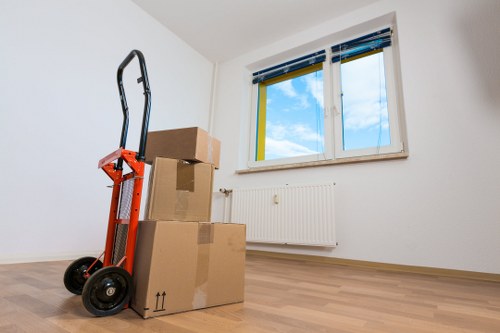
Household transport works best when the loading order is thought through before the vehicle arrives. Sofas, beds, wardrobes and dining pieces may need to be dismantled, wrapped or carried in a specific sequence so that fragile pieces are protected and space is used efficiently. Where helpful, our team can support house removals that require a careful approach to furniture handling and route planning.
The detail in the plan depends on the size of the property and the amount being moved. A one-bedroom flat, a family house and a shared home can all call for different arrangements, even if the overall journey is short. That is why it helps to think about what stays behind, what needs protection and what can be loaded first. Strong boxes, labels and clear pathways all make the process easier, but the most important factor is a realistic view of the volume involved.
For people comparing moving options, it is useful to remember that a van-based service is often about practicality rather than excess capacity. The aim is to match the transport to the job, so that the move is neither undersized nor unnecessarily complex. If you need help deciding what to include, send a short outline and ask for a quote. We can then shape the job around the items and the access conditions.
Furniture, single items and careful collection
Some jobs are simple in scale but still need more than a standard car journey. A wardrobe, a sofa, a bed frame or a desk may be too large, too heavy or too awkward to move alone. For those cases, furniture transport is usually best approached with the right lifting method and enough space to keep pieces secure in the van. This avoids unnecessary strain and lowers the risk of damage during collection and delivery.
If your main concern is one substantial item rather than a full move, our furniture pick-up service offers a focused way to organise the collection and onward transport. That can suit people buying second-hand furniture, clearing a room, sending an item to storage or moving something between homes. It is still important to check measurements, access routes and any disassembly requirements before the job is booked.
When a single item has to pass through narrow halls, tight staircases or shared entrances, planning becomes as important as lifting strength. A sensible service will take account of the route as well as the item itself. That means looking at door widths, turning space and the finish on the furniture, so the work is handled with care from start to finish.
Office and commercial moves

Business transport has different priorities from a home move. Furniture may be lighter, but the schedule can be tighter and the items may need to be delivered in a sensible order so that work can continue with limited interruption. Our commercial moves support is intended for organisations that need practical transport for desks, chairs, archive boxes, stock or general equipment without adding unnecessary complexity.
Office work often involves more than simply carrying items from one place to another. Equipment may need separating from paperwork, cables or accessories may have to travel with specific items, and furniture may need to be removed in stages. If your business needs a more structured move, office removals can be organised around the contents of the premises and the sequence in which items should leave the building. That helps reduce confusion and makes delivery easier to manage at the other end.
For smaller commercial jobs, clear instructions make a noticeable difference. Let us know what kind of items are involved, whether they are boxed or loose, and whether any items need protection against scratching or movement. A brief inventory is often enough to turn a vague enquiry into a workable moving plan. Use that information to request a quotation when you are ready.
Packing, unpacking and practical preparation
Packing can make a man and van job smoother, especially when the load contains mixed household or office items. Good boxes, suitable wrapping and sensible labelling help the move happen in an orderly way, and they also make it easier to place items in the right room or area once they arrive. The value is not in making the move look neat for its own sake, but in reducing handling problems and helping the vehicle be loaded efficiently.
Where customers want support before or after the transport itself, our packing and unpacking services can be used to bring more structure to the day. That may involve preparing fragile belongings, organising the order of packed items or helping settle objects into the right place after delivery. The exact scope depends on the job, but the aim is always to make the transport part more manageable.
There are two practical points worth keeping in mind before any move: first, separate anything that must not be crushed or stacked; second, make sure the access information is complete enough for the vehicle and loading help to be matched to the job. Good preparation does not need to be complicated, but it should be clear. If you are unsure what details matter most, ask for guidance and then request a quotation once the outline is settled.
Pricing factors and what affects the quotation
Moving work is normally priced according to the amount and type of labour, the size of the load, the distance travelled and any special access factors that affect the time taken. Stairs, lift use, parking restrictions and the need for careful handling can all influence the way a job is organised. A clear quotation should reflect the work involved, rather than relying on guesswork or a generic figure that may not fit the actual move.
If you are comparing options, our pricing and quotes page can help you think through the information needed for an accurate estimate. A concise description of the items, the collection and delivery points, and any awkward access details usually gives the clearest starting point. That lets the quote relate to the move itself, rather than to an assumed standard job that may not match your circumstances.
For many customers, the most useful step is to describe the transport need in plain language and avoid overcomplicating it. Say what is being moved, where it is going and whether any items need extra care. If you are not sure whether the job is domestic or commercial in style, a short written summary is still enough to begin. Then ask for a quotation and compare the plan with the time you have available.
About London
London is a large and historically layered city formed by many districts, riverside stretches and long-established streets that developed over centuries rather than following a single planned pattern. The River Thames remains one of its defining features, shaping trade, transport and settlement from Roman times onward, while the modern city extends far beyond the older core into a wide metropolitan area. Its geography brings together dense central districts, suburban neighbourhoods, parkland and industrial corridors, making it one of the most varied urban landscapes in the United Kingdom. Landmarks such as the Houses of Parliament, the Tower of London, St Paul’s Cathedral and the British Museum sit alongside markets, estates, squares and local high streets that give different parts of the city their own identity. Green spaces are equally significant, from Hyde Park and Regent’s Park to larger open areas such as Hampstead Heath and Richmond Park, each offering a different character and scale. The city’s transport network, with Underground lines, rail terminals, river crossings and bus routes, reflects its size and the long evolution of movement across and within London. Cultural life is similarly broad, with theatres, galleries, libraries, museums, music venues and independent businesses spread across boroughs that often feel distinct from one another. That variety has helped London remain both a working city and a place shaped by migration, commerce and civic life. In everyday terms, it is a place where old and new architecture stand close together, where residential streets sit near major business districts, and where local history can be read in churchyards, terraces, bridges and public squares as much as in the famous attractions. Understanding London means recognising that it is not one uniform centre but a collection of places linked by river, roads and public transport, each with its own rhythm and built environment.
For customers who need moving support, the city’s scale and layout can make transport decisions more thoughtful than they first appear. Different boroughs, neighbourhoods and access patterns affect how a van-based move is planned, especially where loading bays, narrow streets or shared entrances are involved. A concise list of items, a clear delivery point and basic access details are usually enough to shape the work, whether the job involves a home, a flat, an office or a single piece of furniture. Keep your notes simple and ask for a quotation when you are ready.
Removal services for larger or mixed loads

Some moves call for a broader removals approach because the load is larger, more mixed or more fragile than a straightforward point-to-point transport task. In those cases, it helps to think about what is being moved room by room, how the items will be lifted and whether anything should be dismantled before loading. Our removal services can support jobs that need organised handling without making the process feel overcomplicated.
Where the move is especially practical in nature, it may be better to look at a more general removals option that allows for furniture, boxes and other belongings to travel together in a controlled way. This kind of service suits people who want the transport handled as a whole rather than splitting the move into separate collections. The right choice depends on volume, access and how much assistance is needed with loading.
There is no need to overstate the job in order to begin. A measured description of the load usually tells us enough to identify the appropriate level of support. If the items are bulky, fragile or awkwardly shaped, mention that early so the plan can account for them. Then use the same information to request a quotation and decide whether the service matches your timeline and budget.
Specialist moving vehicles and service choices
Choosing the right moving approach is often about matching vehicle style and service depth to the actual task. Some customers only need transport and light loading help, while others prefer a more managed option with a van suited to furniture, boxes or mixed goods. Our moving van page is useful when you want to think through how the transport itself should be arranged, especially if the load needs to stay secure and the journey is short but busy.
There are also situations where a customer may compare different service names before booking. That is normal, because man and van, removals and moving-van services overlap in practice but can suit slightly different jobs. If you are unsure which route is best, focus on the scale of the load, the number of hands needed and the nature of the access at both ends. The cleaner the brief, the easier it is to match the job to the right arrangement.
When in doubt, keep the choice practical rather than technical. Look at the items, the distance, the time available and the handling involved, then ask for guidance. A clear quotation request can turn a broad idea into an organised plan without forcing you to make assumptions. That is often the simplest path to getting the move sorted properly.
Insurance, safety and responsible handling

Safe moving depends on more than lifting strength. It requires sensible handling, the right equipment where needed and an awareness of how fragile or heavy items should be placed inside the vehicle. Careful loading reduces the chance of movement in transit and helps protect corners, surfaces and fittings from unnecessary knocks. Where a job involves awkward items, the plan should take account of the weight, shape and route as well as the destination.
If you want to understand how safety is approached, our insurance and safety information explains the general thinking behind careful removals work and the importance of reducing avoidable risk. That can be especially useful when the job includes valuables, delicate furniture or multiple stops. A well-organised move should feel methodical rather than rushed, with each stage treated as part of the same process.
For jobs involving mixed household contents or business equipment, it also helps to know what is and is not being transported. That keeps the load manageable and makes it easier to prepare the vehicle correctly. If you are ready to move forward, request a quotation and we will help you plan the job around the items that matter most.
Final arrangements and getting a quote
Once the main details are clear, the last step is usually to confirm the collection point, delivery point and any access issues that could affect the move on the day. It is useful to know whether there are stairs, parking limits, tight corners or items that need to be carried in a particular order. This is not about making the enquiry complicated; it is about giving the move enough structure to be handled properly.
If you want a simple next step, review the key pages for the type of job you need, then ask for a quotation with a brief summary of the items and route. You can also compare service options such as removal company if you are deciding how formal or broad the arrangement should be. The aim is to keep the process clear, practical and suited to the scale of the work.
When you are ready, request a quotation and share the basics of the move in plain English. That is usually enough to begin a sensible plan and decide how the transport should be handled. If you want to discuss the work first, you can still start with the same summary and refine the details from there.